

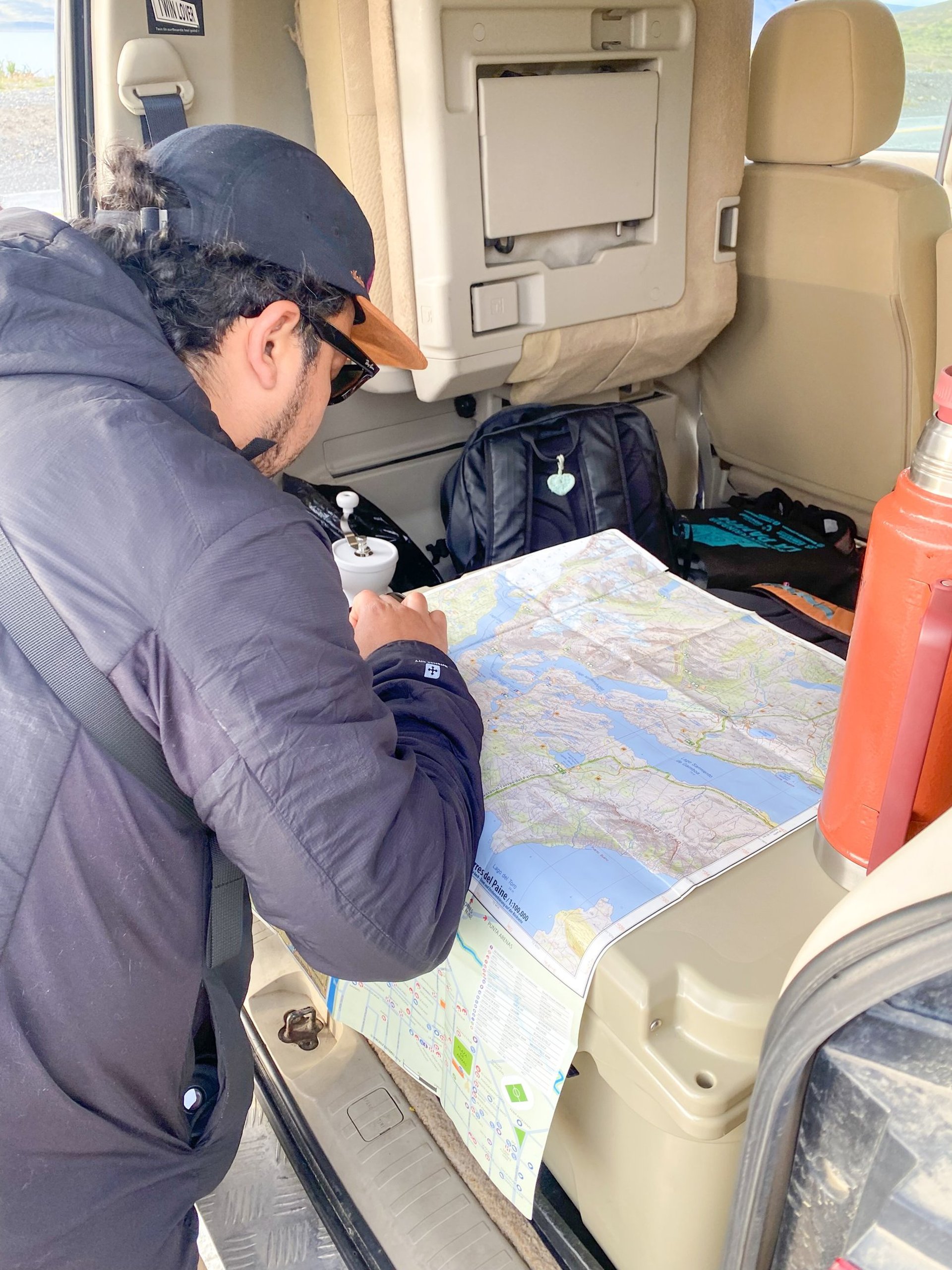
EXPEDITION GUIDE
Practical guidance to fully enjoy the experience
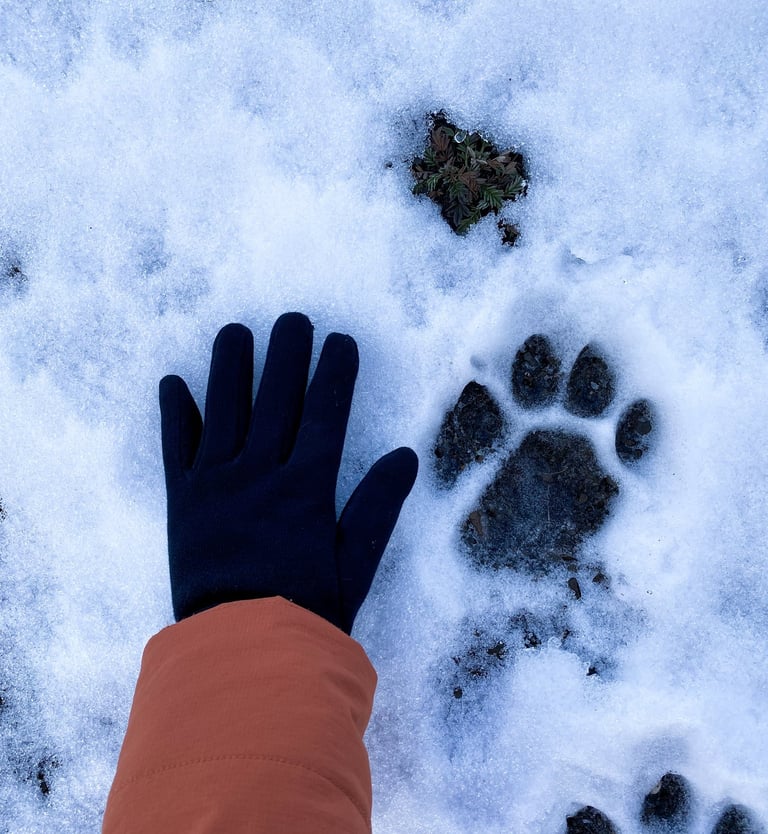
WE WANT YOU TO EXPERIENCE SOMETHING TRULY ALIGNED WITH WHAT WE BELIEVE IN AND OFFER.
How to Know if This Tour Is Right for You?
1. If You feel comfortable letting nature set the pace
There are no rigid schedules for meals, routes, or sightings. Each day is shaped by wildlife behavior and the conditions of the environment.
2.You understand that time in the field is an essential part of the experience
A large part of the experience takes place outdoors in the field. Observation and patience are a fundamental part of the journey.
3.You have a flexible mindset and are open to change
The itinerary may change at any moment depending on animal behavior or environmental conditions.
4.You enjoy learning and appreciating everything nature has to offer
You value every wildlife encounter, whether big or small, expected or unexpected. Curiosity and a sense of wonder are an essential part of the experience.
Our commitment is to offer a real, conscious, and deeply nature-connected experience. If this approach resonates with you, this tour is probably for you.
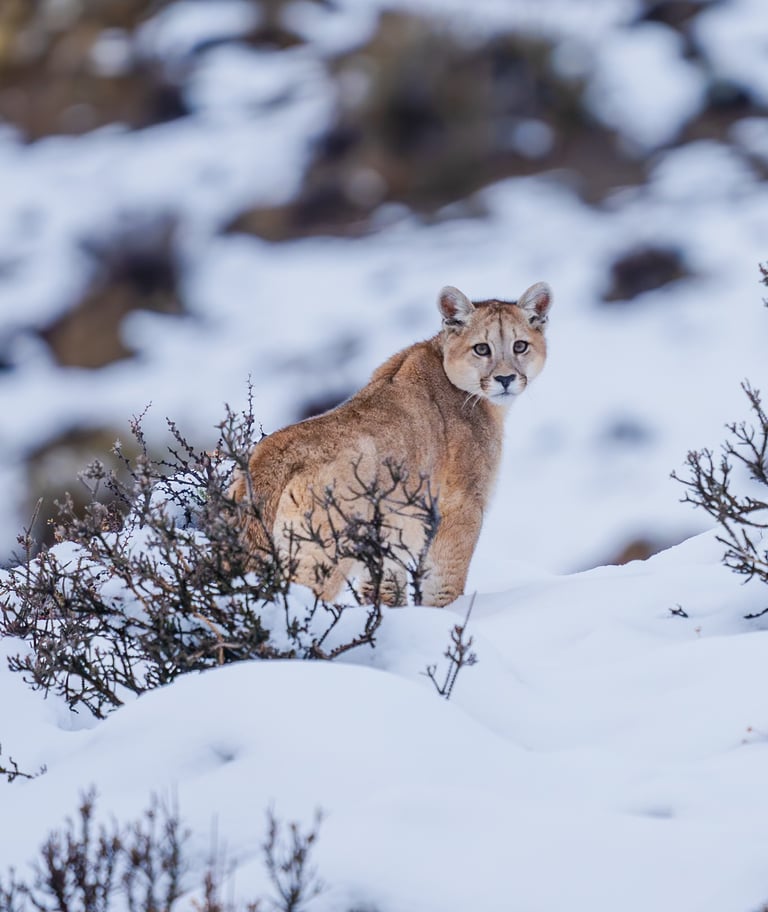
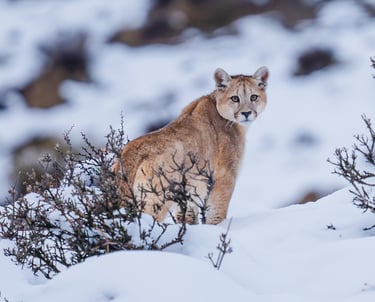
What Is the Best Season for Wildlife Observation?
Each season in Patagonia offers a different experience, and the best time to visit will depend on the type of landscape, weather, and atmosphere you want to experience.
Summer (December to February)
This is the most active season and the time with the highest number of visitors. Days are long, temperatures are milder, and conditions are ideal for spending many hours in the field. Pumas are usually more active during sunrise and sunset.
Autumn (March to May)
One of the most visually special seasons. The park fills with golden and reddish tones, the number of tourists decreases, and cooler temperatures create a very peaceful atmosphere in the field.
Winter (June to August)
The most challenging season in terms of weather, with below-freezing temperatures and possible snowfall. In return, the park receives very few visitors, and the winter landscapes allow for truly unique scenes and photographs.
Spring (September to November)
The park begins to awaken after winter. The first flowers appear, the ice slowly retreats, and wildlife activity progressively increases along with the arrival of more travelers.
Regardless of the season, every expedition is experienced differently, since we work in a completely wild environment where wildlife behavior is constantly changing.
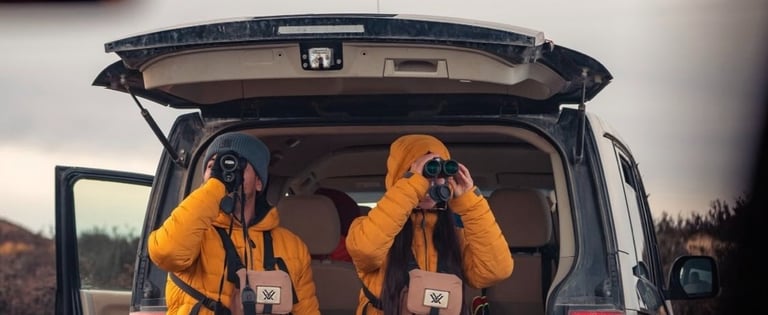
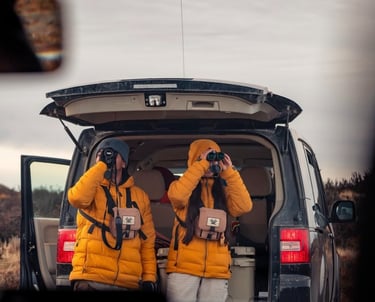
Are Puma Sightings Guaranteed?
The puma is a wild and free animal, which means sightings can never be guaranteed. The experience is based on a respectful search, guided by environmental conditions and the animal’s natural behavior.
Even so, every expedition is carefully planned to maximize the chances of an encounter, always through a responsible and wildlife-conscious approach.
We recommend a minimum of 3 days in the field, as spending more time in nature significantly increases the chances of observing a puma.

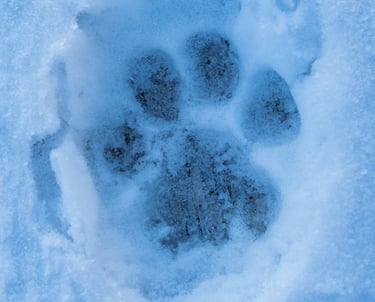
What Happens if the Weather Conditions Are Challenging?
If weather conditions are not favorable, the team continuously evaluates the situation to always prioritize the safety and well-being of all participants.
The tour is not easily canceled. In most cases, it is adapted instead. This may include changing search areas, adjusting the order of activities, or modifying observation points according to the conditions of the day, while always maintaining the main purpose of the experience.
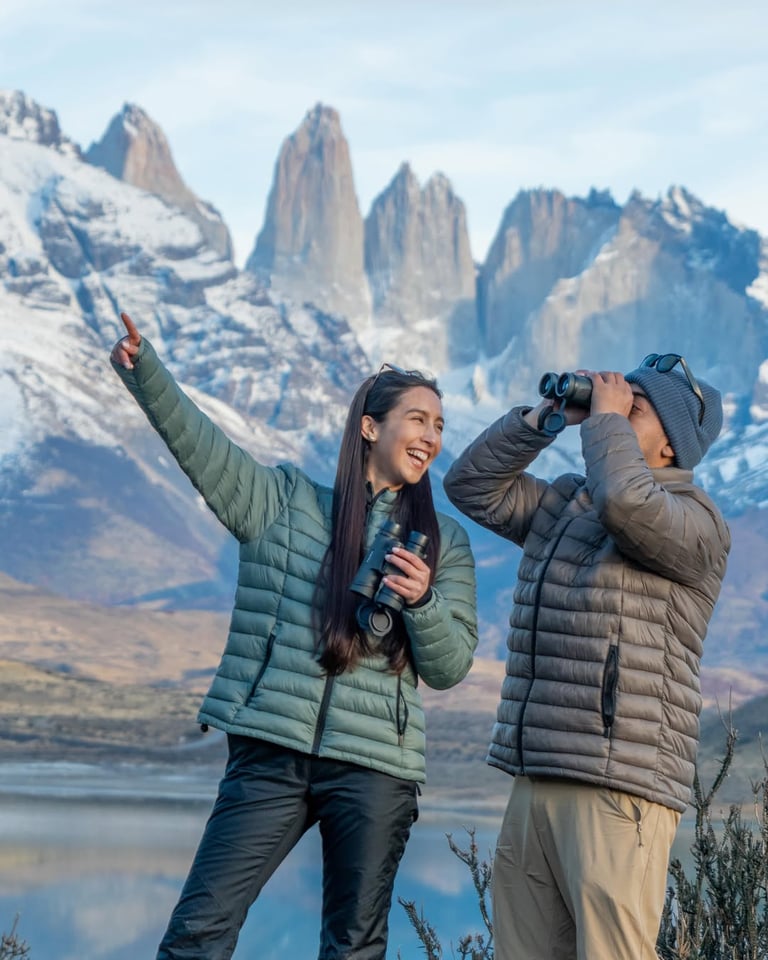
THERE IS NO BAD WEATHER, ONLY THE WRONG CLOTHING.
What Clothing Should I Wear?
If you are joining this expedition, you need to think in layers. Weather conditions can shift from sun to wind and rain within minutes.
The basic rule is simple. Dress as if you were going to experience all four seasons in a single day.
Base Layer (the most important one)
Breathable thermal clothing. Avoid cotton.Mid Layer (insulation)
A fleece or polar layer. Something that retains warmth, even in strong wind.Outer Layer (protection)
A waterproof and windproof jacket.Lower Body
Comfortable, durable, and quick-drying pants. Waterproof is even better.Accessories That Make a Difference
Beanie, lightweight gloves, buff or neck gaiter, and sunglasses.Footwear
Sturdy waterproof hiking boots that are already broken in and comfortable to walk in.
When you are properly dressed, you stop thinking about the cold, the wind, or the rain, and you can fully focus on enjoying the experience.
What Level of Physical Fitness Do I Need?
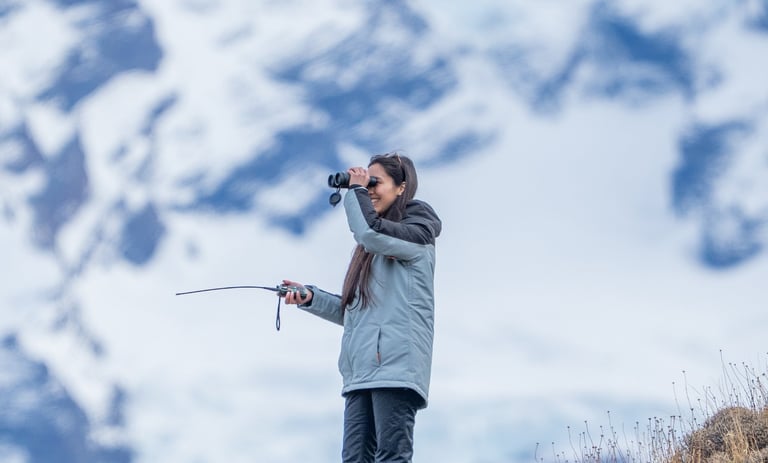
Occasionally, we do short walks along authorized trails when conditions or wildlife tracking make it necessary, especially when puma sightings occur in areas accessible on foot. However, the decision to walk is always flexible and depends on each traveler.
Because this is a private experience, we can adapt the expedition according to your preferences and comfort level. The goal is for you to feel comfortable in the field and for the experience to adapt to you.
Even so, you should be able to move safely and independently through natural terrain.
A large part of the experience takes place aboard a spacious 4x4 vehicle, which is also used for wildlife observation and tracking throughout the day.