
Our Role as Visitors in Torres del Paine
An invitation to reflect on how we experience wildlife observation in Patagonia. Our responsibilities as visitors, the importance of respecting the environment, and how good practices can transform each encounter into a more authentic, conscious, and memorable experience.
Carolina Suazo Llanos
2 min read
What does it really mean to observe wildlife?
For us, it means accepting one very simple idea. Here, we are the visitors.
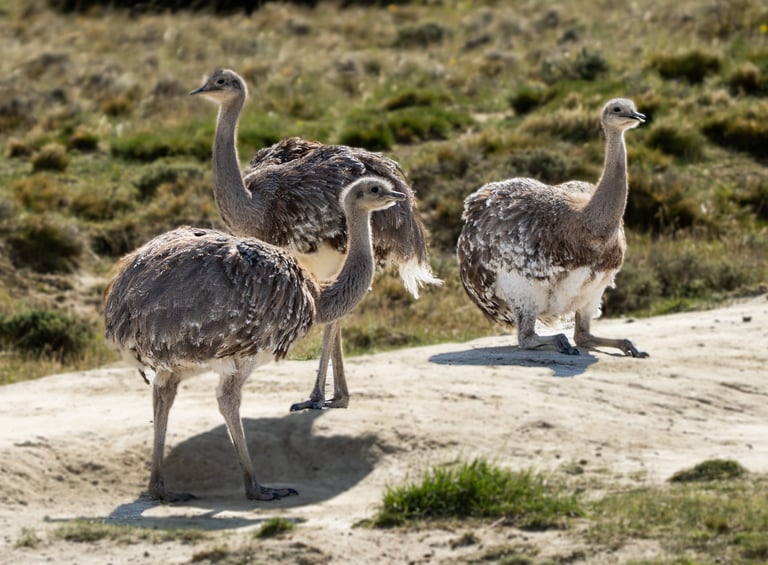
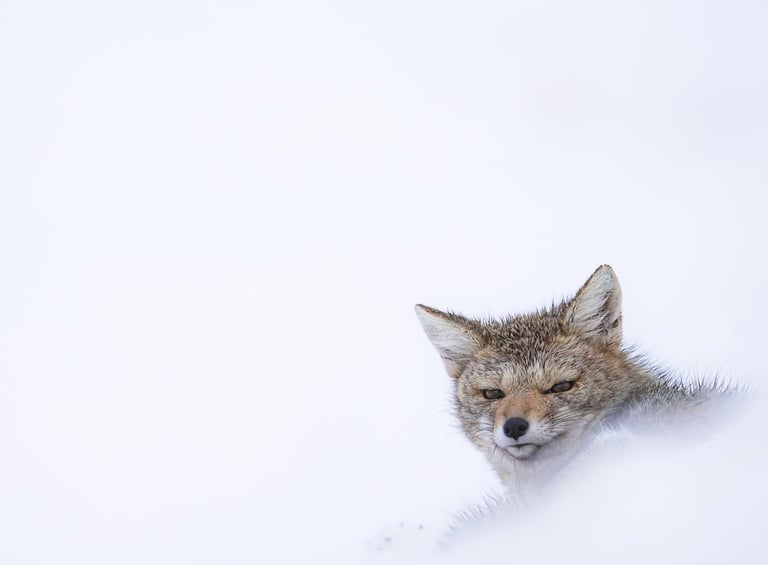
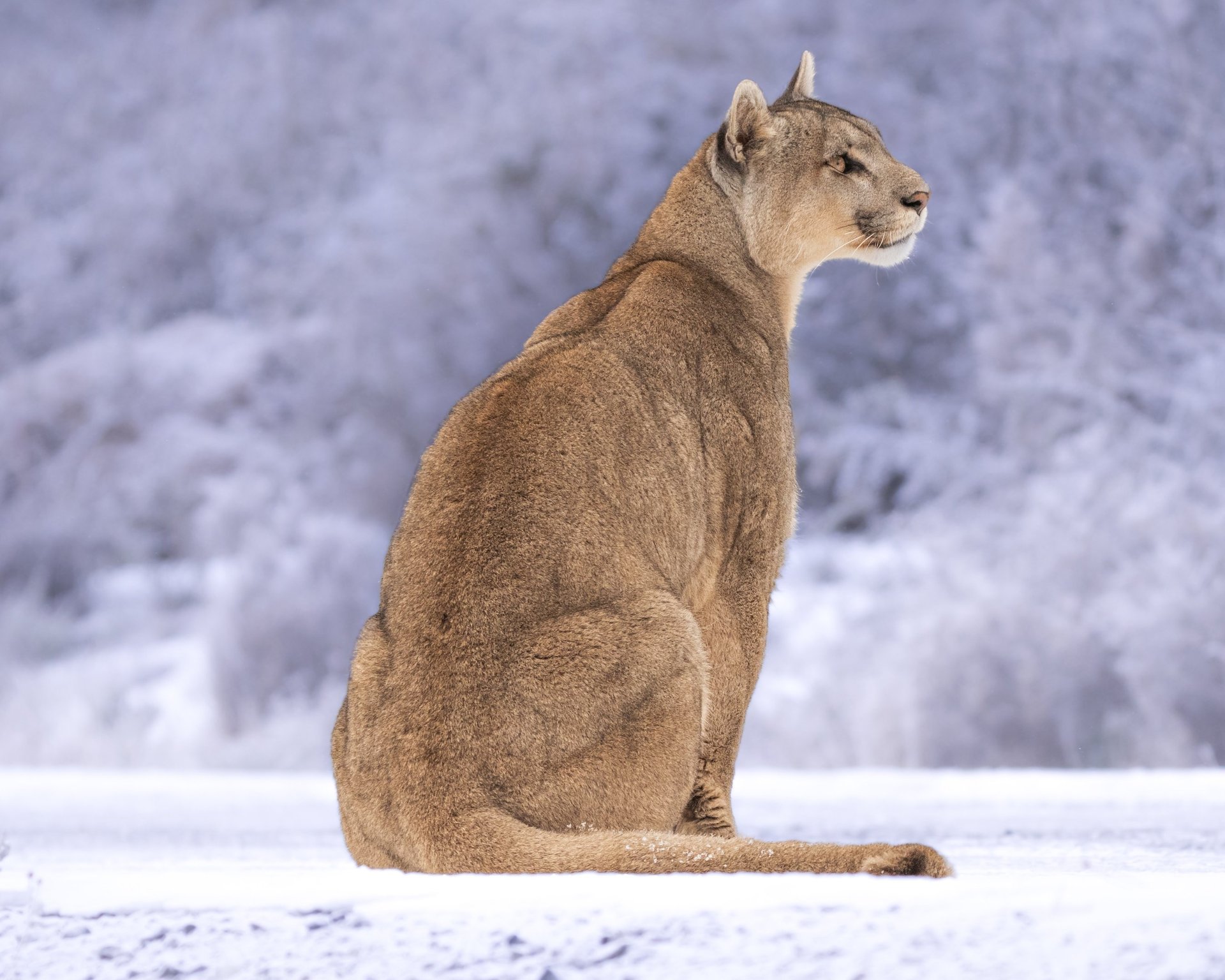
When we enter the territory of a puma, a fox, or a guanaco, we are stepping into a place that already had its own rules long before we arrived with cameras, binoculars, or vehicles.
And that is where the first important reflection appears.
Do we want to see wildlife… or do we want to connect with it?
Because those are not the same thing.
Sometimes, without realizing it, we can turn the experience into a rushed search to simply “see something.” But the most meaningful encounters happen when we slow down, observe calmly, and allow nature to remain nature.
So… how can we enjoy wildlife without disturbing it?
Very often, it comes down to small actions.
Speaking quietly.
Moving slowly.
Avoiding surrounding animals.
Not getting closer than necessary.
Not leaving the vehicle when it is not appropriate.
Not trying to attract the attention of wildlife.
It sounds simple, but it completely changes the experience.
Because when an animal feels calm, it continues behaving naturally. And that is when the most authentic moments appear. A mother with her cubs, a resting puma, a fox hunting…
What happens when we do things the right way?
The experience changes completely.
Nature feels authentic. Encounters feel real. Wildlife remains calm. And we stop being an interruption and become simple observers instead.
Over time, we learned something important. The best sightings are not always the closest ones. Very often, they are the moments that make us feel small, present, and grateful to be there.
And what role does each visitor have?
A very important one.
Every person who visits this territory helps shape the future relationship between humans and wildlife. Good practices do not depend only on guides or national parks. They depend on all of us.
That is why we always invite the people who join us to observe patiently, listen more than they speak, and remember that we are not entering a zoo or a staged scene.
We are entering a living territory.
So… how do we want to move through this place?
Perhaps that is the most important question.
Do we simply want to take home a photograph?
Or do we want to live an experience that also protects what we came to admire?
For us, the true privilege is not only seeing wildlife.
It is being able to do so without changing it.